
Let's Talk Economics
At its simplest, economics is the study of how resources are created, distributed, and used. It asks basic questions: What has value? Who decides? What are the consequences of those decisions? Right now, those questions feel especially alive. Governments are carrying historic levels of debt, inflation has reshaped everyday costs, and cryptocurrencies are challenging long-held ideas about money, trust, and authority. The external economic landscape is clearly in flux.
In times like these, it’s tempting to fixate solely on systems we don’t control: central banks, markets, policy decisions, and technological shifts. But there’s another possibility, one that can completely change your perspective.
A Personal Economy
The internal environment through which you generate, allocate, and exchange your energy, attention, skills, time, and money is your personal economy. Just like national economies, it can be extractive or regenerative, fear-based or trust-based, short-sighted or oriented toward long-term wellbeing. And just like larger systems, it runs on beliefs, habits, and feedback loops.
Most people were educated by their family systems and societal institutions into a default internal economy without realizing it. Scarcity thinking such as “there’s never enough,” “I have to hustle or compete,” “if I rest, I fall behind” becomes the central thrust. In that system, exhaustion is normalized, comparison and competition drive decision-making, and value is measured almost exclusively in external rewards. The result isn’t prosperity, but chronic imbalance.
Creating a personal economy aligned with prosperity starts by redefining financial abundance. Prosperity isn’t just material wealth. It’s having sufficient resources while remaining connected to meaning, health, relationships, creativity, and contribution. When money grows at the expense of everything else, the internal economy collapses, even if the bank account looks healthy.
A healthier personal economy is based on circulation rather than hoarding. Energy moves in cycles: work and rest, earning and giving, focus and spaciousness. When you respect those cycles, productivity becomes more sustainable and creativity more available. This mirrors healthy ecosystems, where resilience comes from diversity and flow, not rigid control.
The Currency of Attention
One of the most valuable currencies is attention (which is why there is an ongoing campaign to capture it). Where you place it determines what grows. Constant exposure to fear-driven news, outrage, or scarcity narratives quietly shapes your internal market conditions. On the other hand, investing attention in learning new skills, in the inspiration of beauty, and cultivating healthy relationships compounds over time. The return isn’t always immediate, but it’s reliable and consistent.
Values-Based Policy
Your values become the monetary policy for your inner world. If your decisions consistently prioritize convenience over integrity, or speed over care, your personal economy will reflect that imbalance. When values are clear (fairness, service, creativity, stewardship), they guide trade-offs with less friction. You know what’s worth paying for and what’s not, even when external pressures push otherwise.
Aligning your personal economy with the greater good doesn’t require perfection or self-sacrifice. It’s about coherence. Are the ways you earn, spend, consume, and create broadly consistent with the world you want to live in? Do your choices, at whatever scale is available to you, support systems that regenerate rather than deplete?
This is where personal and collective economics quietly meet. When individuals operate from internal stability rather than fear, they’re less reactive and more discerning. They make better long-term decisions. They’re harder to manipulate with panic or false urgency. Over time, that shifts demand, culture, and even policy.
Financial Resilience
The global economy may continue to be volatile. Debt cycles, inflationary pressures, and new monetary technologies aren’t going away anytime soon. Uncertain times call for a new paradigm of prosperity that turns the game of abundance inward. Cultivating a resilient personal economy creates a kind of inner sovereignty. It doesn’t make you immune to external forces, but it gives you flexibility, clarity, and choice. That in turn eases anxiety and increases trust.
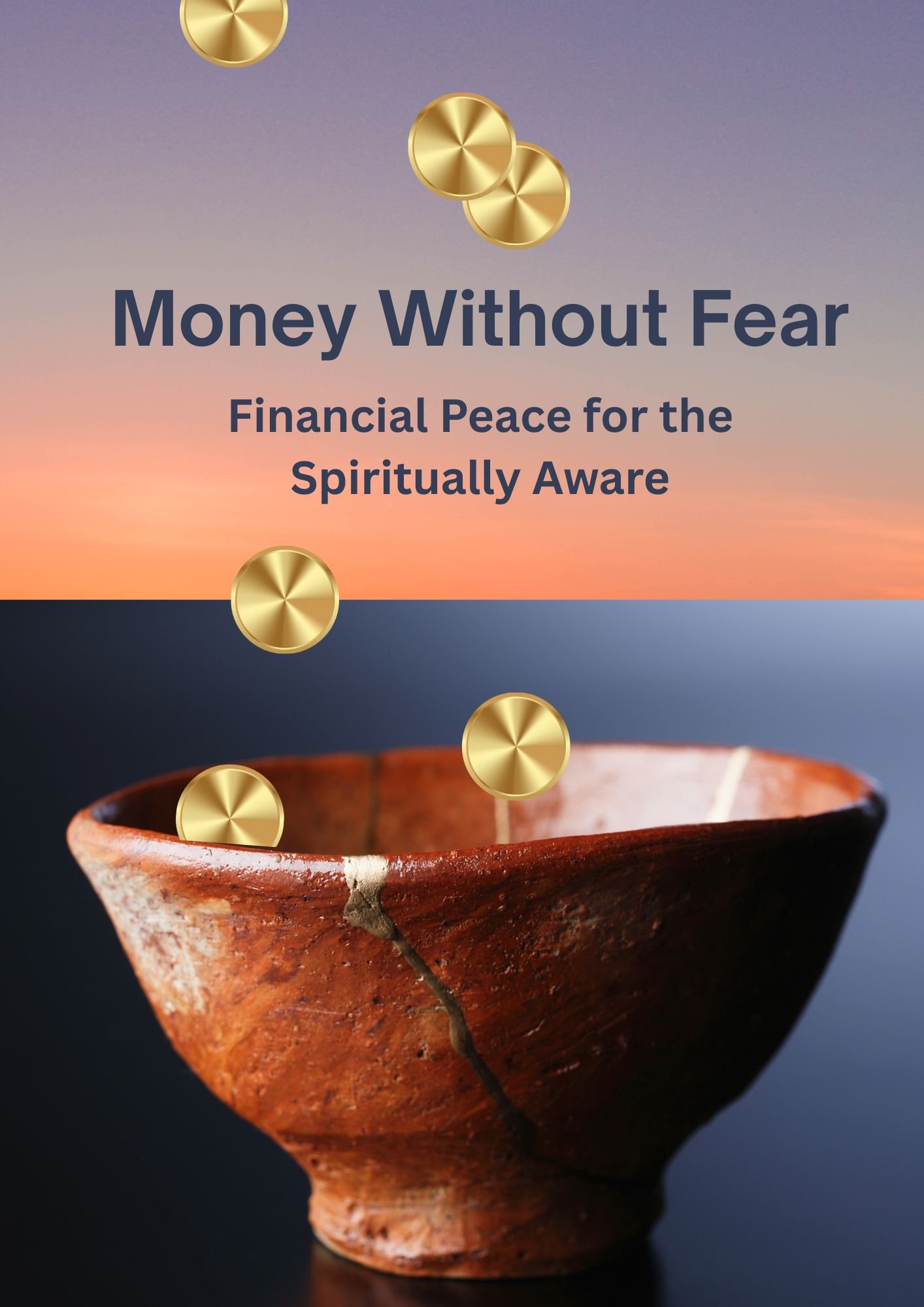
Would you like to begin your own journey from scarcity to sovereignty? Order Money Without Fear today.
Comments ()